
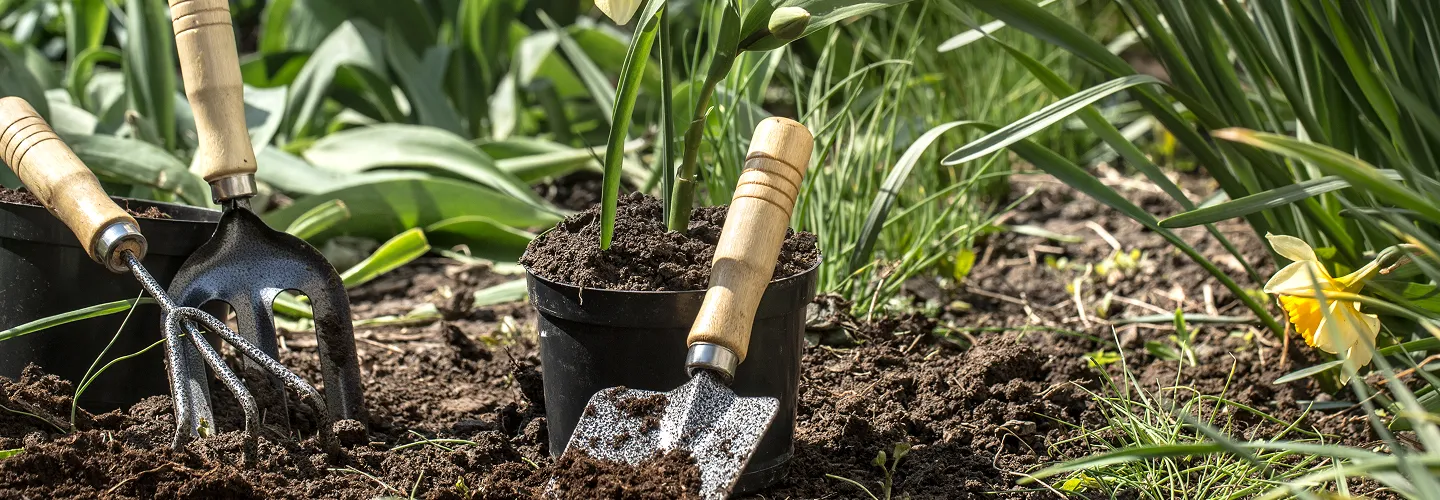
Charlestown Flower Planting Services
Choose our flower planting services for vibrant, healthy blooms that enhance your home's beauty and curb appeal—our experienced team ensures every garden thrives with personalized care and attention.
Get a Free QuoteOur Charlestown Landscaping & Yard Care Services
When to Schedule Flower Planting in Charlestown, Rhode Island – Seasonal Guide
In Charlestown, Rhode Island, the best times for flower planting are typically in early spring and early fall, when the risk of frost has passed and soil temperatures are ideal for root development. The local climate, influenced by proximity to the Atlantic Ocean, means that neighborhoods near Ninigret Park or along the Charlestown Breachway may experience slightly milder temperatures and higher humidity, which can extend the planting window compared to inland areas. It’s important to monitor the last spring frost date—usually in late April—and the first fall frost, which often arrives in late October, to ensure your flowers have the best chance to thrive.
Charlestown’s sandy soils, especially in areas like Quonochontaug and Arnolda, offer excellent drainage but may require soil amendments to retain moisture during drier summer months. Shade coverage from mature trees in neighborhoods such as Shannock or Watchaug can also impact which flower varieties will flourish and when to plant them. Be mindful of local drought advisories and municipal watering restrictions, which are sometimes posted on the town’s official website, as these can affect both planting schedules and ongoing flower care.
Local Factors to Consider for Flower Planting in Charlestown
- Proximity to the coast and its effect on temperature and humidity
- Last and first frost dates specific to Charlestown
- Sandy or loamy soil types prevalent in local neighborhoods
- Tree density and available shade in your yard
- Risk of summer drought and municipal watering restrictions
- Terrain variations, such as elevation changes near Watchaug Pond
- Precipitation patterns throughout the growing season
Benefits of Flower Planting in Charlestown
Expert Local Knowledge
Customized Landscape Designs
Seasonal Plant Selection
Enhanced Curb Appeal
Eco-Friendly Practices
Reliable Maintenance Services

Charlestown Flower Planting Types

Perennial Flower Beds
-
Annual Flower Displays
-
Native Wildflower Gardens
-
Pollinator-Friendly Plantings
-
Shade Garden Flowers
-
Container Flower Arrangements
-
Seasonal Bulb Plantings
Our Flower Planting Process
Site Evaluation
Soil Preparation
Plant Selection
Careful Planting
Watering and Mulching
Why Choose Charlestown Landscape Services
-
Charlestown Homeowners Trust Us
-
Expert Lawn Maintenance
-
Reliable Seasonal Cleanups
-
Competitive Pricing
-
Professional Team
-
Satisfaction Guarantee
-
Personalized Service
Soil Series and Drainage Considerations for Flower Planting in Charlestown
Flower planting in Charlestown requires careful attention to the town’s predominant soil types, which include Haven and Newport loamy sands as identified by the USDA Web Soil Survey. These soils are moderately acidic (pH 5.5-6.5) and often excessively drained, leading to rapid drying and nutrient leaching. For optimal establishment, incorporate 2-3 inches of compost tilled to a 6-inch depth and consider lime application if pH falls below 6.0. Soil testing is available through the University of Rhode Island Cooperative Extension for a typical fee of $15-25. When planting near wetlands or conservation areas, maintain a 25-foot no-disturbance buffer as required by local ordinance.
Charlestown RI Conservation Commission
4540 South County Trail, Charlestown, RI 02813
Phone: (401) 364-1210
Official Website: Charlestown RI Conservation Commission
Seasonal Timing and Weather Guidance for Flower Planting in Charlestown
Charlestown’s coastal climate, classified as USDA Hardiness Zone 6b-7a, dictates specific planting windows for annuals and perennials. Spring planting is recommended from April 15 to May 30, when soil temperatures reach 50-65°F, while fall planting should occur between September 1 and October 15, before the first frost (typically late October). Avoid planting during June-August due to heat stress and drought risk. Monitor local weather forecasts through the National Weather Service - Boston/Norton Office for frost advisories and rainfall patterns. For best results:
- Spring seeding: April 15 - May 30
- Fall seeding: September 1 - October 15
- Avoid: June-August (heat/drought stress)
- Check soil temperature: 50-65°F minimum
Native and Deer-Resistant Flower Species for Charlestown’s Microclimate
Selecting appropriate species is essential for sustainable flower planting in Charlestown, where deer browsing and salt exposure from coastal winds are common challenges. Recommended native and deer-resistant perennials include:
- Black-eyed Susan (Rudbeckia hirta)
- Wild bergamot (Monarda fistulosa)
- New England aster (Symphyotrichum novae-angliae)
- Lavender (Lavandula angustifolia)
- Russian sage (Perovskia atriplicifolia)
- Cardinal flower (Lobelia cardinalis) for moist sites Plant 12-18 inches apart for dense coverage and mulch with 2 inches of shredded bark to retain soil moisture. For additional guidance, consult the University of Rhode Island Cooperative Extension for plant selection and pest management resources.
Municipal Coordination and Flower Bed Installation Standards in Charlestown
All flower bed installations in Charlestown must comply with local zoning and setback requirements, including a minimum 25-foot buffer from wetlands and a 50-foot setback from property lines in certain districts. Equipment operation is permitted:
- Monday-Friday: 7:00 AM - 7:00 PM
- Saturday: 8:00 AM - 6:00 PM
- Sunday and holidays: Prohibited Use biodegradable mulch and avoid plastic sheeting to comply with municipal waste guidelines. For projects exceeding 200 square feet or involving grading, a permit from the Building & Zoning Department is required; application fee is typically $50 with a 10-business-day review period.
Charlestown RI Building & Zoning Department
4540 South County Trail, Charlestown, RI 02813
Phone: (401) 364-1215
Official Website: Charlestown RI Building & Zoning Department
Environmental Compliance: Stormwater, Wetlands, and State Regulations in Charlestown
Flower planting activities in Charlestown must adhere to the town’s MS4 stormwater permit, which prohibits soil, mulch, or plant debris from entering storm drains, as regulated under the Clean Water Act. Maintain a 25-foot no-disturbance buffer from all wetlands and water bodies, and avoid fertilizer application within 50 feet of these areas. The Rhode Island Environmental Rights Act and Rhode Island Department of Environmental Management require compliance with state-level environmental protections. For additional information on buffer zones and stormwater best practices, contact:
Rhode Island Department of Environmental Management
235 Promenade Street, Providence, RI 02908
Phone: (401) 222-4700
Official Website: Rhode Island Department of Environmental Management
What Neighborhoods Do We Serve Throughout Charlestown, RI?
- Quonochontaug: Coastal neighborhood with sandy soils, high salt exposure, and frequent deer activity; requires salt-tolerant, deer-resistant plantings and windbreaks.
- Shannock: Inland area with loamy soils and moderate drainage; larger lots allow for extensive perennial beds and native wildflower meadows.
- Charlestown Beach: Proximity to salt ponds and wetlands necessitates strict buffer compliance and use of native species adapted to brackish conditions.
- Cross Mills: Mixed residential and commercial district with compacted urban soils; soil amendment and raised beds are often necessary for successful planting.
- Burlingame: Adjacent to conservation land and forest preserves; high wildlife pressure and shade require careful species selection and protective fencing.
- East Beach: Exposed to coastal winds and sandy soils; drought-tolerant and low-maintenance species are recommended for sustainable plantings.
- South Farm: Rural area with larger properties, variable drainage, and occasional flooding; site-specific soil testing and drainage planning are essential.