
Charlestown Sod Installation Services
Choose our expert sod installation for a hassle-free, beautiful lawn that’s ready to enjoy right away—backed by quality materials, professional service, and lasting results.
Get a Free QuoteOur Charlestown Landscaping & Yard Care Services
When to Schedule Sod Installation in Charlestown, Rhode Island – Seasonal Guide
In Charlestown, Rhode Island, the best time to schedule sod installation is typically during the late spring or early fall. These seasons offer moderate temperatures and consistent rainfall, which are ideal for establishing healthy root systems. The local climate, influenced by proximity to the coast and Narragansett Bay, means that summers can be humid and winters may bring early frosts, especially in neighborhoods near Ninigret Park or along the Charlestown Breachway. Timing your sod installation to avoid the hottest summer months and the risk of early autumn frost is crucial for long-term lawn success.
Local environmental factors such as soil composition—often sandy near the shoreline and loamier inland—play a significant role in sod selection and installation timing. Areas with dense tree coverage, like those around Burlingame State Park, may require special consideration for shade-tolerant sod varieties. Additionally, municipal watering restrictions and the risk of summer droughts should be factored into your planning. For more information on local regulations and environmental guidelines, visit the Town of Sudbury’s official site.
Local Factors to Consider for Sod Installation in Charlestown
- Proximity to the coast and risk of salt exposure
- Average frost dates and seasonal temperature swings
- Tree density and available sunlight in your yard
- Soil type (sandy, loamy, or clay)
- Terrain slope and drainage patterns
- Precipitation trends and drought risk
- Municipal watering restrictions and local ordinances
- Neighborhood-specific microclimates (e.g., near Ninigret Park or the Breachway)
Benefits of Sod Installation in Charlestown

Instant Green Lawns
Erosion Control
Weed Reduction
Professional Installation
Locally Sourced Sod
Enhanced Curb Appeal
Charlestown Sod Installation Types

Residential Sod Installation
-
Commercial Sod Installation
-
Sports Field Sod Installation
-
Golf Course Sod Installation
-
Erosion Control Sod Installation
-
Shade-Tolerant Sod Installation
-
Drought-Resistant Sod Installation
Our Sod Installation Process
Site Preparation
Soil Grading
Sod Delivery
Sod Laying
Watering and Rolling
Why Choose Charlestown Landscape Services

-
Charlestown Homeowners Trust Us
-
Expert Lawn Maintenance
-
Reliable Seasonal Cleanups
-
Competitive Pricing
-
Professional Team
-
Satisfaction Guarantee
-
Personalized Service
Soil Preparation and Sod Installation Challenges in Charlestown’s Glacial Till and Coastal Sands
Sod installation in Charlestown requires careful assessment of the town’s predominant soil types, which include glacial till and coastal sandy soils as identified by the USDA Web Soil Survey. These soils are typically moderately acidic (pH 5.5-6.5) and often poorly drained, especially in low-lying areas. Prior to installation, it is recommended to conduct a soil test through the University of Rhode Island Cooperative Extension (typical cost: $15-25) to determine amendment needs. Common preparation steps include:
- Incorporating 2-3 inches of compost to a 6-inch depth
- Applying lime if pH is below 6.0
- Ensuring final grade slopes away from structures at 2% minimum
- Avoiding compaction by using low-ground-pressure equipment
Coordination with the municipal building department is required for any grading or fill over 50 cubic yards.
Charlestown RI Building & Zoning Department
4540 South County Trail, Charlestown, RI 02813
Phone: (401) 364-1215
Official Website: Charlestown RI Building & Zoning Department
Timing Sod Installation for Charlestown’s Coastal Microclimate and USDA Zone 6b-7a
Charlestown’s proximity to the Atlantic Ocean moderates temperatures, placing it in USDA Hardiness Zones 6b-7a. The optimal window for sod installation is April 15 to June 10 in spring, and August 20 to September 30 in late summer, when soil temperatures are consistently 55-65°F. Avoid installation during July and early August due to heat stress and increased irrigation demand. Monitor local weather forecasts through the National Weather Service Boston/Norton office for rainfall and temperature trends. Key timing guidelines include:
- Spring: April 15 – June 10 (soil temp 55-65°F)
- Fall: August 20 – September 30 (before first frost)
- Avoid: June 15 – August 15 (heat/drought risk)
- Irrigate newly installed sod daily for 2-3 weeks
For additional climate-specific recommendations, consult the University of Rhode Island Cooperative Extension.
Municipal Coordination and Disposal Protocols for Sod Projects in Charlestown
Proper disposal of sod trimmings and soil debris is regulated by the Town of Charlestown. Yard waste collection is scheduled every Thursday from April through November. Residents must use biodegradable paper bags or reusable bins (32-gallon maximum); plastic bags and branches over 4 inches in diameter are prohibited. For projects generating over 1 cubic yard of waste, transport to the town’s designated transfer station is required. Permit fees for large-scale disposal typically range from $25 to $50, with a 3-5 business day review period. Compliance with local ordinances is mandatory to prevent stormwater violations under the Clean Water Act.
Charlestown RI Department of Public Works
4540 South County Trail, Charlestown, RI 02813
Phone: (401) 364-1230
Official Website: Charlestown RI Department of Public Works
Environmental Compliance: Wetland Buffers and Stormwater Management in Charlestown
Sod installation near wetlands, streams, or conservation areas in Charlestown is subject to strict buffer requirements. A 25-foot no-disturbance zone is enforced from the edge of delineated wetlands, and a 50-foot setback is required from all open water bodies. The Charlestown RI Conservation Commission oversees compliance and reviews permit applications for work within regulated areas. Sod and fertilizer application is prohibited within these buffer zones to protect water quality. All projects must comply with the town’s MS4 stormwater permit and the Rhode Island Environmental Rights Act. For state-level stormwater guidance, refer to the Rhode Island Department of Environmental Management.
Charlestown RI Conservation Commission
4540 South County Trail, Charlestown, RI 02813
Phone: (401) 364-1230
Official Website: Charlestown RI Conservation Commission
Professional Standards and Equipment Operation for Sod Installation in Charlestown
All sod installation activities in Charlestown must adhere to municipal noise ordinances and equipment safety standards. Permitted hours for powered equipment operation are:
- Monday-Friday: 7:00 AM – 7:00 PM
- Saturday: 8:00 AM – 6:00 PM
- Sunday and holidays: Prohibited
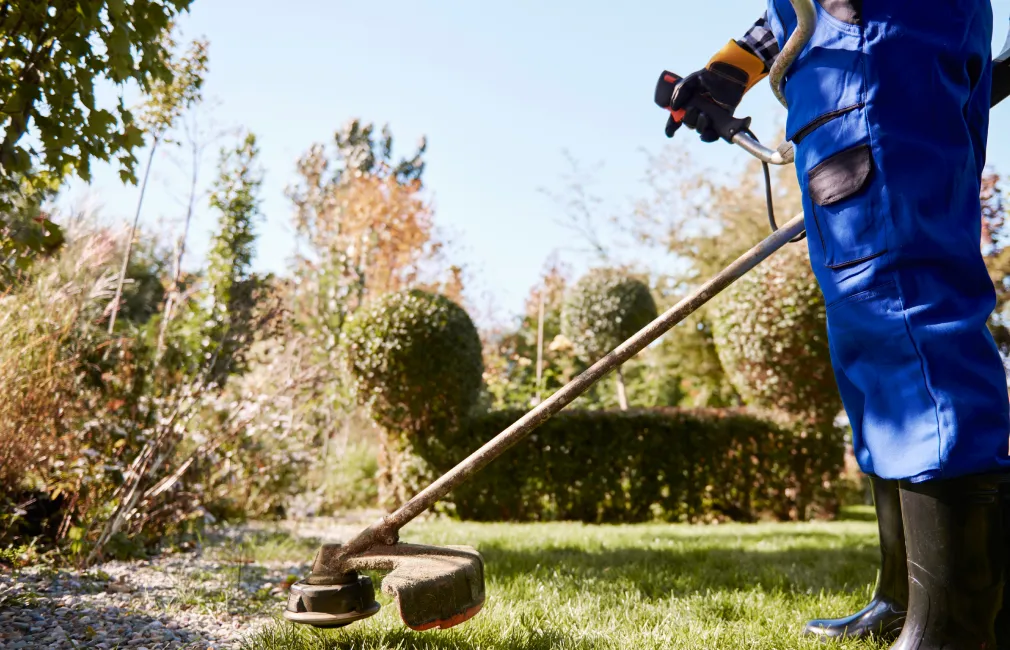
Operators must use commercial-grade sod cutters and compactors, with blade sharpening every 20-25 hours of use. Personal protective equipment (PPE) is required, including:
- ANSI Z87.1 safety glasses
- Hearing protection for noise above 85 dB
- Steel-toed boots and cut-resistant gloves
Maintain a 15-foot clearance from overhead utilities and mark all underground services before excavation. For large projects, traffic control measures may be required by the Department of Public Works.
What Neighborhoods Do We Serve Throughout Charlestown, RI?
- Quonochontaug: Coastal sandy soils with high drainage rates and exposure to salt spray; properties often require soil amendment and drought-tolerant sod varieties.
- Shannock: Inland area with glacial till soils, moderate slopes, and mature tree cover; compaction and shade are common challenges for sod establishment.
- Charlestown Beach: Proximity to protected dunes and wetlands necessitates strict buffer compliance and careful selection of salt-tolerant turf species.
- Cross Mills: Mixed residential and commercial district with variable soil conditions and frequent infrastructure access constraints; attention to traffic and equipment staging is essential.
- Burlingame: Adjacent to conservation lands and state park, requiring adherence to environmental protection standards and coordination with local ordinances.
- East Beach: Floodplain location with periodic high water table; sod installation must account for drainage and potential saltwater intrusion.
- Watchaug Pond Area: Properties near freshwater bodies must maintain 50-foot setbacks and avoid fertilizer use within buffer zones to protect water quality.