
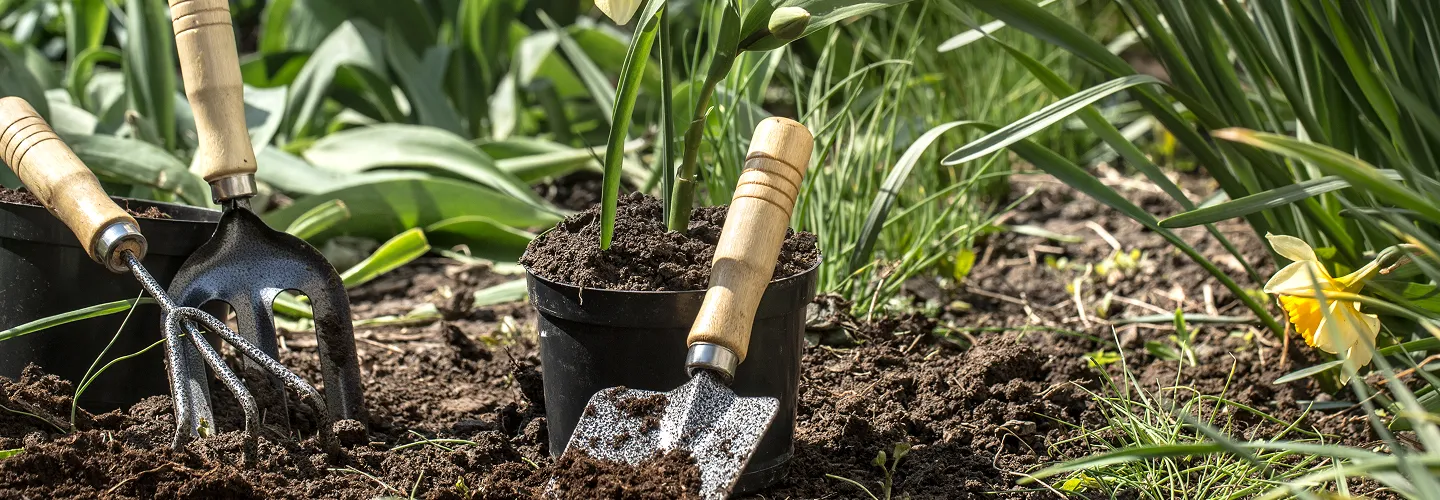
Charlestown Weeding Services
Choose our weeding services for reliable, thorough weed removal that keeps your garden healthy, beautiful, and free from unwanted growth—so you can enjoy a pristine outdoor space all year round.
Get a Free QuoteOur Charlestown Landscaping & Yard Care Services
When to Schedule Weeding in Charlestown, Rhode Island – Seasonal Guide
In Charlestown, Rhode Island, the best times to schedule weeding are typically in early spring and late summer, when local weather conditions are most favorable for effective weed control. The region’s climate, characterized by cool, damp springs and warm, humid summers, means that weeds can emerge quickly after the last frost—usually in late April. Early intervention helps prevent invasive species from taking root, especially in neighborhoods near Ninigret Park or along the shaded lots of Old Post Road, where soil moisture and shade coverage can accelerate weed growth.
Local environmental factors such as sandy soils near the coast, periodic drought risk in July and August, and the prevalence of mature tree canopies in areas like Quonochontaug all play a role in determining the optimal weeding schedule. Homeowners should also be aware of municipal guidelines and seasonal restrictions, which can be found on the Town of Charlestown’s official website, to ensure compliance with local landscaping ordinances.
Local Factors to Consider for Weeding in Charlestown
- Proximity to coastal areas and sandy soil composition
- Average last frost date (late April)
- Summer drought risk and irrigation needs
- Shade coverage from mature trees (e.g., in Quonochontaug)
- Precipitation patterns and humidity levels
- Terrain slope and drainage
- Municipal landscaping restrictions and guidelines
Benefits of Weeding in Charlestown
Expert Local Knowledge
Efficient Weed Removal
Eco-Friendly Practices
Improved Curb Appeal
Healthier Plant Growth
Reliable Scheduling
Charlestown Weeding Types

Hand Weeding
-
Mechanical Weeding
-
Chemical Weed Control
-
Mulching for Weed Suppression
-
Flame Weeding
-
Soil Solarization
-
Selective Weeding
Our Weeding Process
Site Evaluation
Weed Identification
Targeted Removal
Soil Treatment
Final Inspection
Why Choose Charlestown Landscape Services
-
Charlestown Homeowners Trust Us
-
Expert Lawn Maintenance
-
Reliable Seasonal Cleanups
-
Competitive Pricing
-
Professional Team
-
Satisfaction Guarantee
-
Personalized Service
Managing Weeding in Charlestown’s Glacial Till and Coastal Sandy Soils
Weeding practices in Charlestown must account for the town’s predominant Inceptisols and Udults, which include glacial till (rocky, stony) and coastal sandy soils. These soils are typically moderately acidic (pH 5.5-6.5) and often poorly drained, especially in low-lying or wetland-adjacent areas. Effective weed removal requires soil-specific strategies, such as hand-pulling in rocky glacial till to avoid root breakage and shallow cultivation in sandy soils to prevent erosion. Soil testing is recommended every 2-3 years, with amendments such as lime for pH below 6.0 and compost incorporation (2-3 inches tilled to 6-inch depth) to improve structure. Residents can access soil testing and management guidance through the University of Rhode Island Cooperative Extension. For detailed soil mapping, consult the USDA Web Soil Survey.
Charlestown RI Conservation Commission
4540 South County Trail, Charlestown, RI 02813
Phone: (401) 364-1210
Official Website: Charlestown RI Conservation Commission
Seasonal Timing and Weather Considerations for Weeding in Charlestown
Charlestown’s USDA Hardiness Zone 6b-7a and proximity to the Atlantic Ocean create a growing season from mid-April through late October, with peak weed emergence in May and September. Optimal weeding windows are:
- Spring: April 15 – May 30 (soil temp 50-65°F)
- Fall: August 20 – September 30 (before first frost, typically late October) Avoid mechanical weeding during June-August heat stress periods to minimize soil disturbance and erosion. Monitor local weather forecasts via the National Weather Service - Boston/Norton Office for rainfall and temperature trends that affect weed growth and removal timing. For persistent perennial weeds, schedule removal before seed set to reduce future infestations. Mulching (2-3 inches) after weeding helps suppress regrowth and conserve soil moisture.
Municipal Coordination: Yard Waste Collection and Weeding Debris Disposal in Charlestown
Proper disposal of weeding debris in Charlestown is regulated by the Department of Public Works. Yard waste collection typically occurs weekly on Thursdays from April through November. Accepted materials include leaves, grass clippings, and brush under 4 feet in length, placed in biodegradable bags or reusable bins (32-gallon max). Prohibited items are plastic bags and branches over 4 inches in diameter. Residents must not deposit weeding debris in storm drains, as this violates the town’s MS4 permit under the Clean Water Act. For large volumes, the town transfer station is available during posted hours.
- Weekly pickup: Thursday, April–November
- Containers: Biodegradable bags or 32-gallon bins
- Prohibited: Plastic bags, large branches, soil clumps
Charlestown RI Department of Public Works
4540 South County Trail, Charlestown, RI 02813
Phone: (401) 364-1230
Official Website: Charlestown RI Department of Public Works
Environmental Compliance: Wetland Buffers and Stormwater Protection in Weeding Operations
Weeding near Charlestown’s wetlands, streams, and conservation areas requires strict adherence to buffer regulations. A standard 25-foot no-disturbance zone is enforced from the edge of delineated wetlands, with a 50-foot setback from vernal pools and protected water bodies. The Rhode Island Environmental Rights Act and the town’s MS4 stormwater permit prohibit the use of herbicides or soil disturbance within these buffers. All weeding debris must be contained to prevent runoff into storm drains or waterways. For properties adjacent to protected areas, consult the Charlestown RI Conservation Commission for site-specific guidance. Compliance steps include:
- Maintain 25-foot wetland buffer
- No herbicide use within buffer zones
- Prevent debris from entering storm drains
- Use mulch or erosion control mats on exposed soil
Professional Standards and Equipment Safety for Weeding in Charlestown
All weeding operations in Charlestown must comply with municipal noise ordinances and equipment safety standards. Permitted equipment operation hours are:
- Monday-Friday: 7:00 AM – 7:00 PM
- Saturday: 8:00 AM – 6:00 PM
- Sunday and holidays: Prohibited Operators must use commercial-grade tools with functioning mufflers, and noise levels must not exceed 85 decibels at property lines. Personal protective equipment (PPE) is required, including:
- Eye protection: ANSI Z87.1 safety glasses
- Hearing protection: Earmuffs or plugs for 85+ dB
- Gloves: Cut-resistant for hand weeding, chemical-resistant for herbicide application
- Footwear: Steel-toed, non-slip boots
Charlestown RI Building & Zoning Department
4540 South County Trail, Charlestown, RI 02813
Phone: (401) 364-1215
Official Website: Charlestown RI Building & Zoning Department
What Neighborhoods Do We Serve Throughout Charlestown, RI?
- Quonochontaug: Coastal sandy soils with high drainage and salt exposure; properties often require frequent weeding and salt-tolerant plant selection.
- Shannock: Rocky glacial till and mature tree cover; hand weeding is common due to root obstacles and shade-tolerant weed species.
- Charlestown Beach: Proximity to wetlands and conservation areas; strict buffer enforcement and erosion control are critical for compliance.
- Cross Mills: Mixed residential and commercial lots with compacted soils; mechanical weeding and soil amendment are often necessary.
- Burlingame: Adjacent to state park and protected lands; native plant preservation and invasive species management are prioritized.
- South Farm: Larger lots with variable drainage; seasonal flooding may require raised beds and targeted weed suppression.
- East Beach: Exposed, windy conditions and sandy soils; mulch application and windbreaks help reduce weed pressure and soil loss.